Interview and text: Tadanori Sakamoto, Chief Curator, Takenaka Carpentry Tools Museum
The sumitsubo, or ink line reel, is a carpenter’s tool used for drawing long, straight lines. By pulling out a thread coated with ink, lifting it taut, and snapping it against a surface, one can mark a perfectly straight line regardless of minor irregularities. It is an indispensable tool for carpenters.
There is, however, something particularly captivating about the sumitsubo. Most carpenter’s tools are purely functional and plain in form, but sumitsubo alone carries a playful spirit.
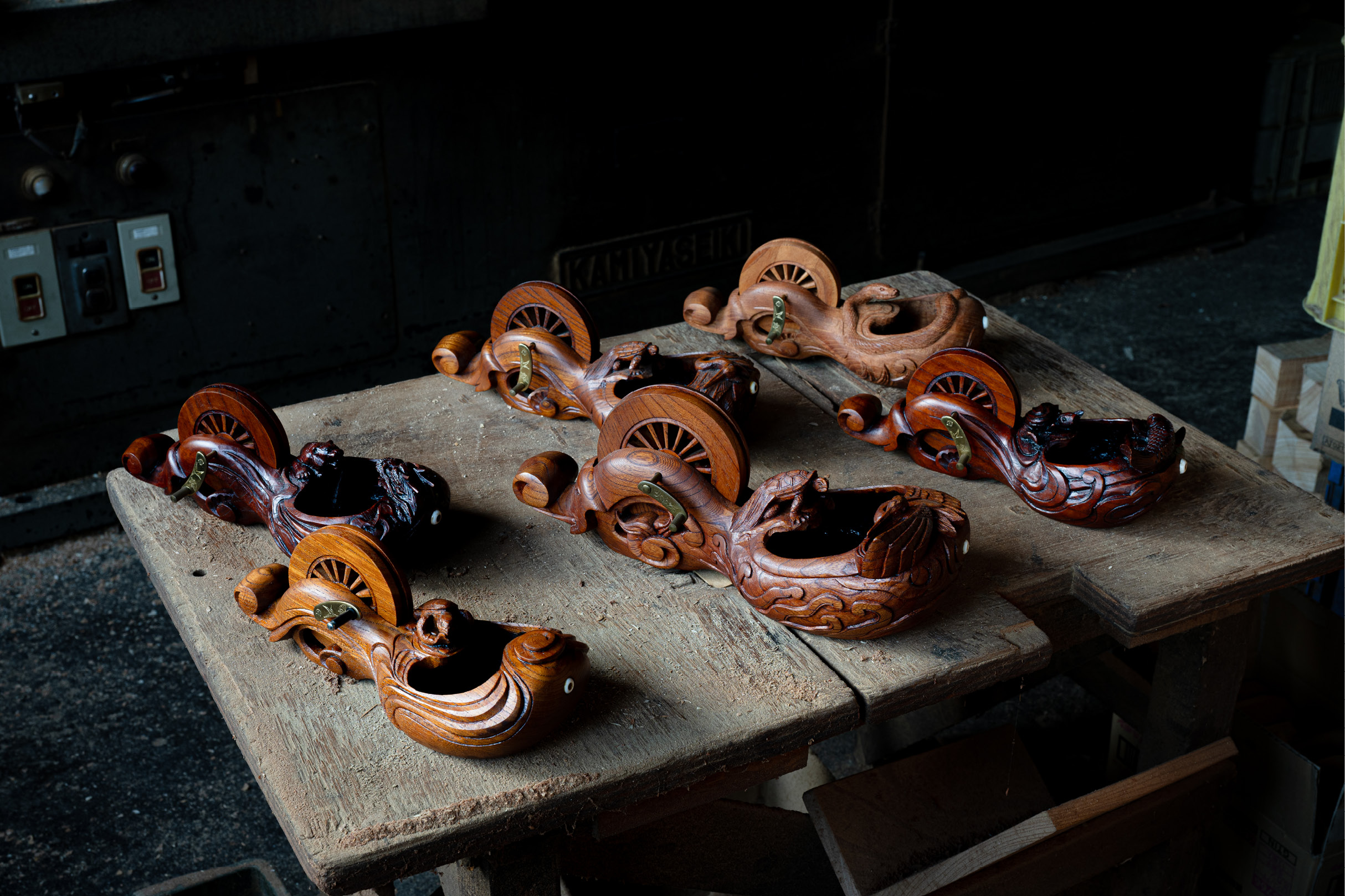
Some feature graceful curves, others display bold or intricate designs, and still others are richly carved with elaborate decoration. Because they are made of wood, carpenters could fashion them to their own liking, and their craftsmanship often became a mark of skill and pride.
After the Meiji era, however, specialized sumitsubo craftsmen emerged and commercial production expanded. The craft spread from Tokyo to Sanjo in Niigata Prefecture, which became a major production center. From the late 1960s, as improved plastic sumitsubo became common, wooden ones quickly disappeared from use. Today, only two workshops in Sanjo continue to make them.
One of them is Tsubosei Tamaki Workshop, which I visited for this interview.
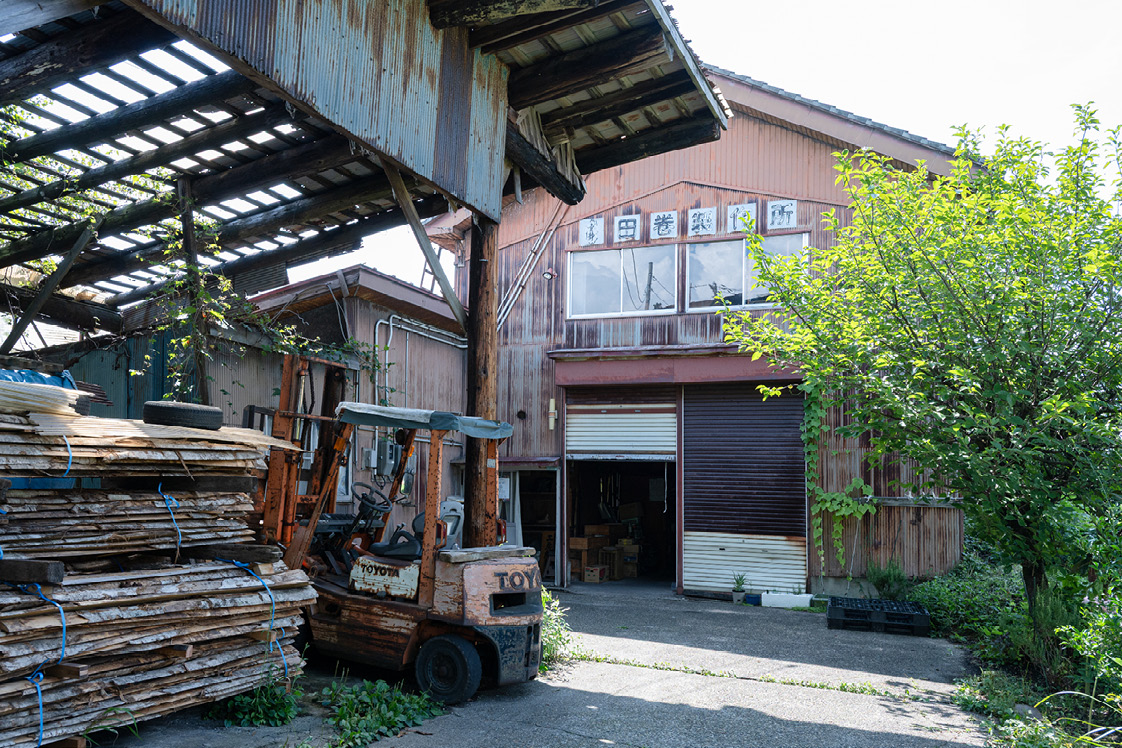
The Tamaki family began making sumitsubo under the late father, Mr. Isamu Tamaki (born 1924). His eldest son, Yuichi Tamaki, began helping out in middle school and joined the family business full-time after graduating from high school.
“I naturally took over the family trade. I was the eldest son, and nearly everyone around me came from a family of craftsmen.”
At that time, sumitsubo sold extremely well and there was never enough manpower. Yuichi had little time for formal apprenticeship—he learned on the job.
“My father and uncle worked right next to me. I learned simply by watching their hands.”
At the peak of production, the workshop employed around seven craftsmen, yet even then, demand exceeded supply. Wholesalers would line up outside the workshop, waiting for finished pieces.
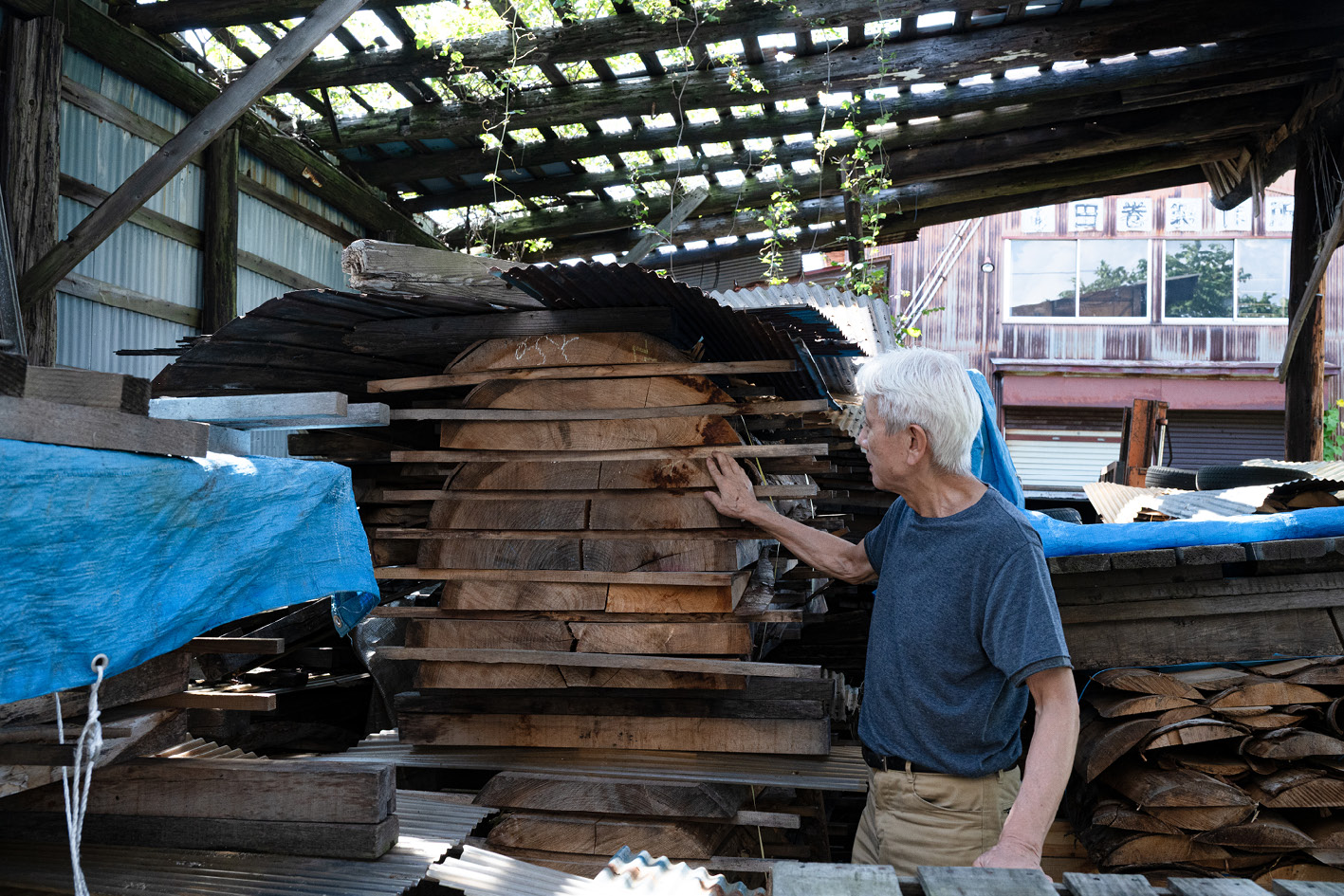
At the lumber yard by the entrance, thick slabs of zelkova (keyaki) wood are stacked high. A typical six- to seven-sun (18–21 cm) sumitsubo blank is sawn to a thickness of about 2 sun 1 bu (≈6.3 cm), while larger eight-sun (24 cm) pieces are cut to 2 sun 5 bu (≈7.5 cm). Although the eight-sun size once dominated, smaller versions are now preferred as more carpentry work is done indoors.
Zelkova is the main material used. For ordinary pieces, Tamaki selects wood with a straight, even grain, but to highlight decorative grain patterns he sometimes uses matagi wood—the hard, forked sections where branches divide.
“I’ve also made sumitsubo from exotic hardwoods like ebony or rosewood, but working with tagayasan (ironwood) once chipped my blade. I swore never again!” (laughs)
Inside the workshop, rows of machines hum quietly. Using a wooden template, the outer shape is traced and rough-cut with a circular saw. A copying lathe—a shaping machine called a coping machine—then forms the exact profile. Next, holes for the ink reservoir and thread wheel are carved out with specialized tools.
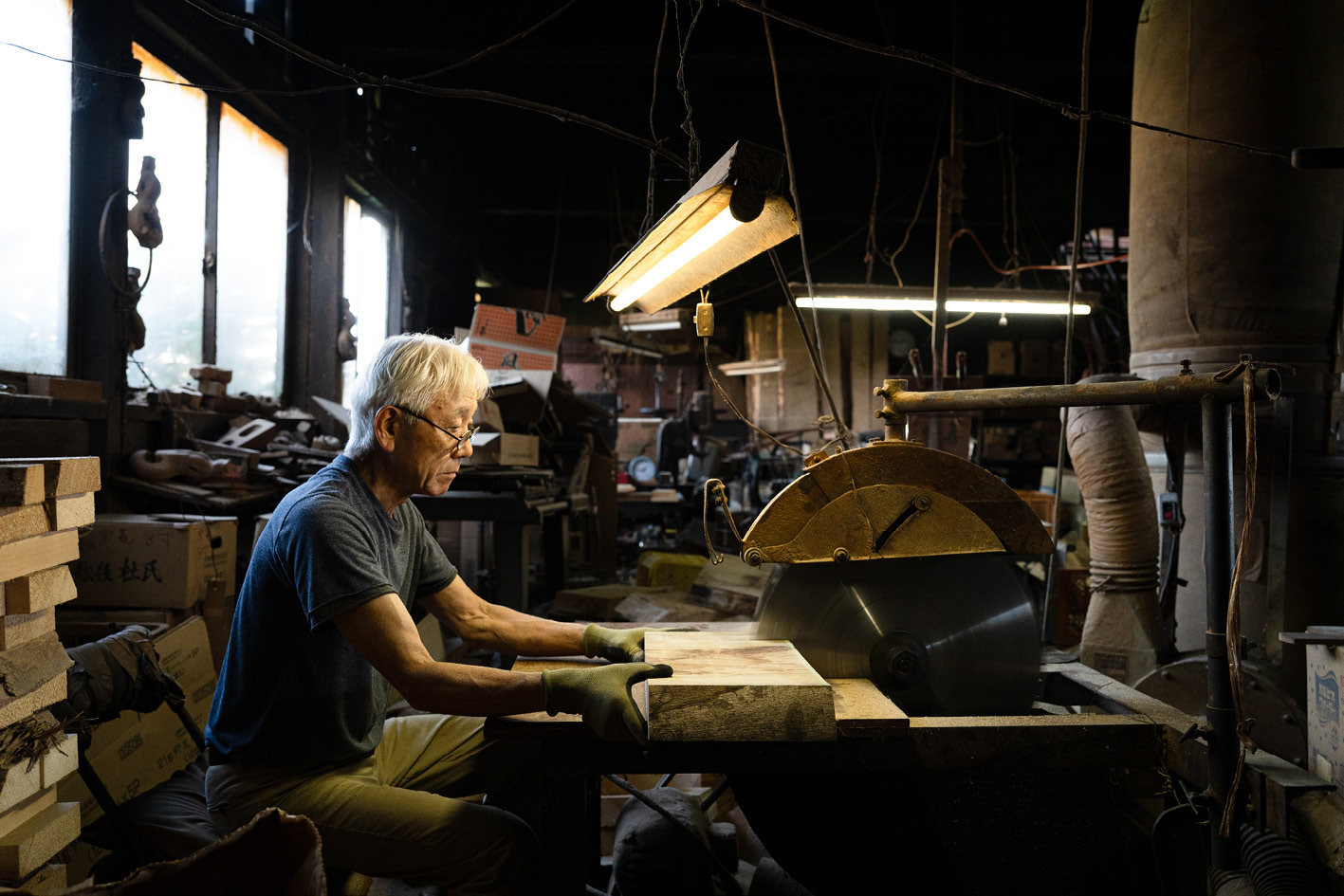
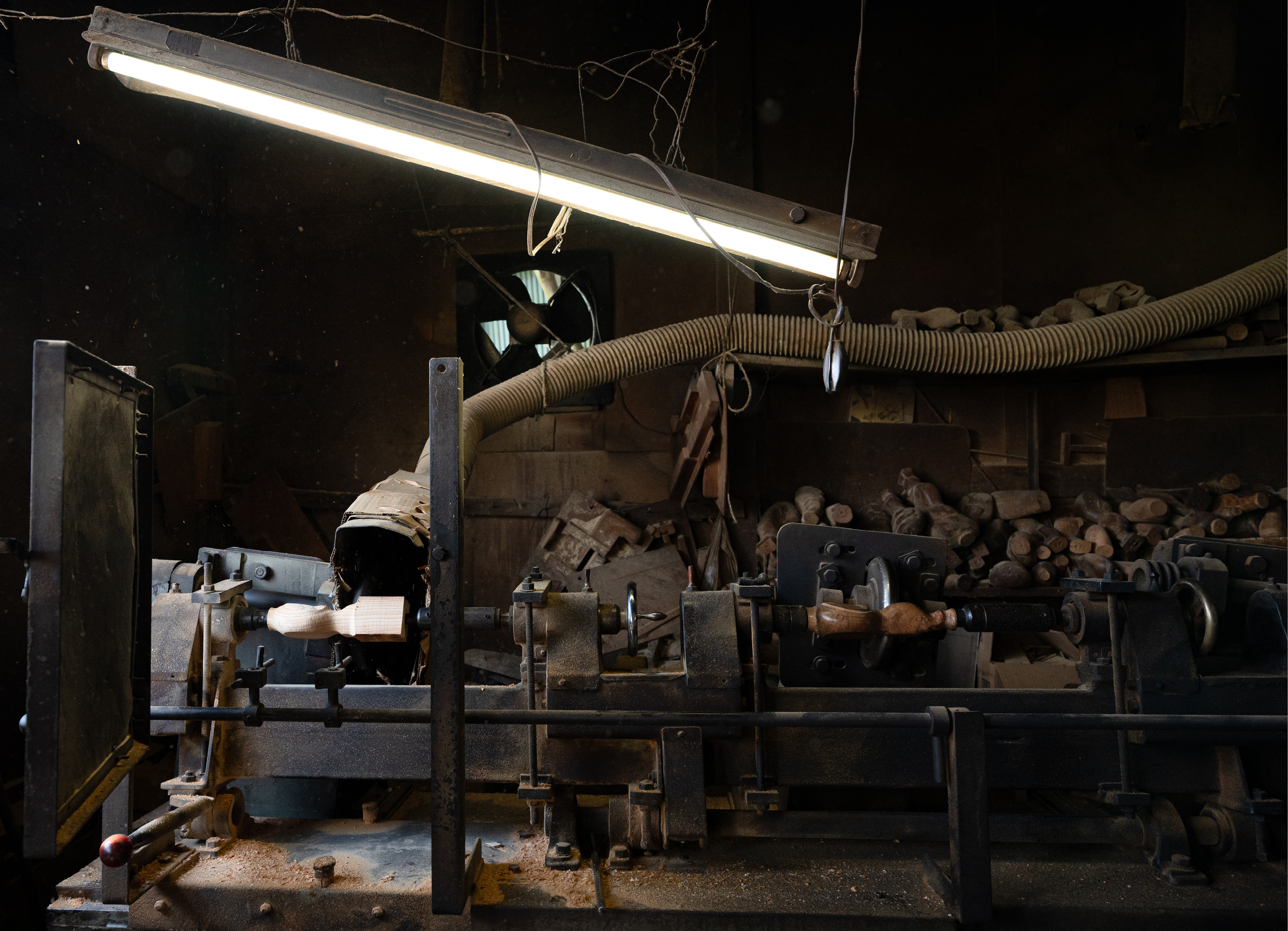
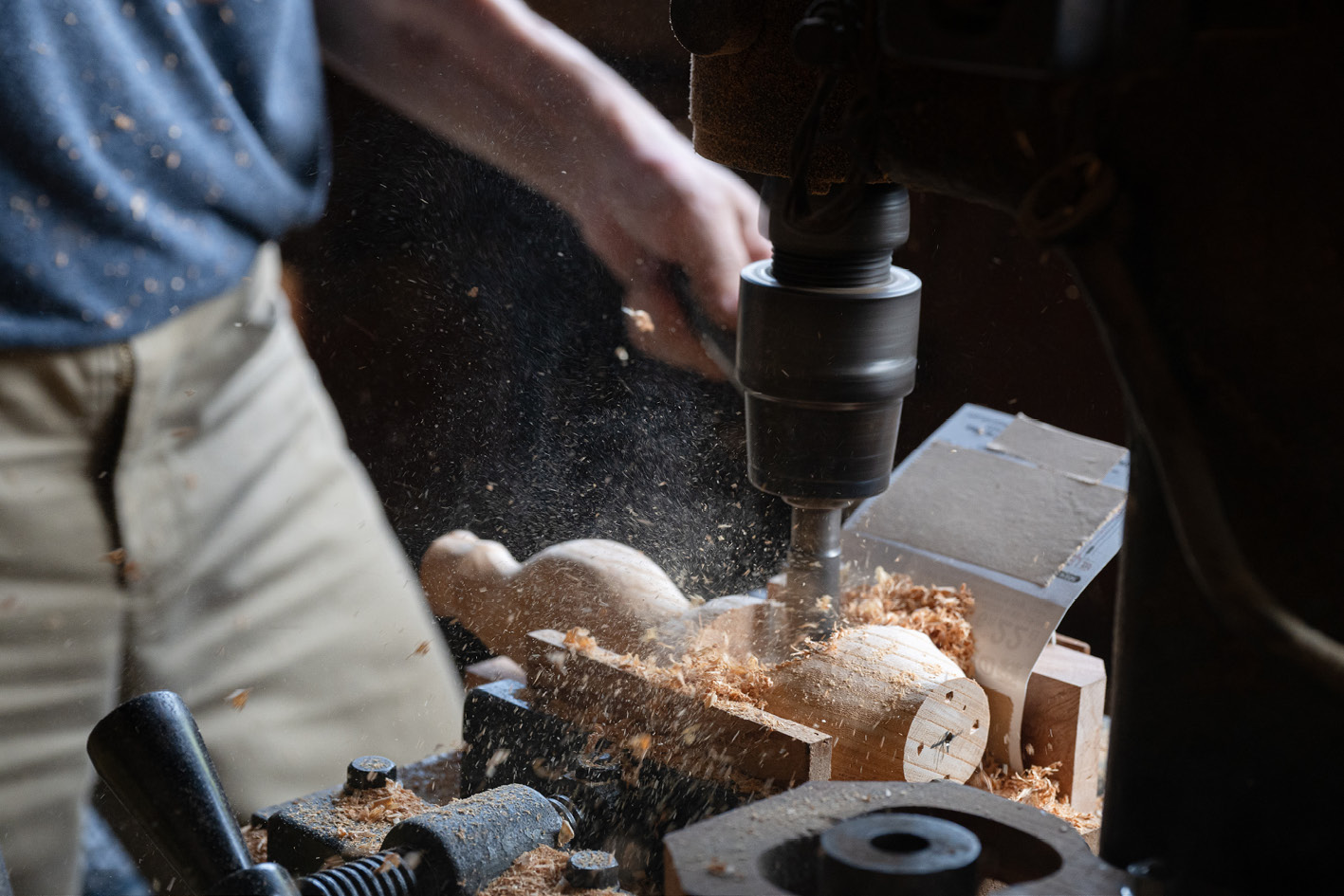
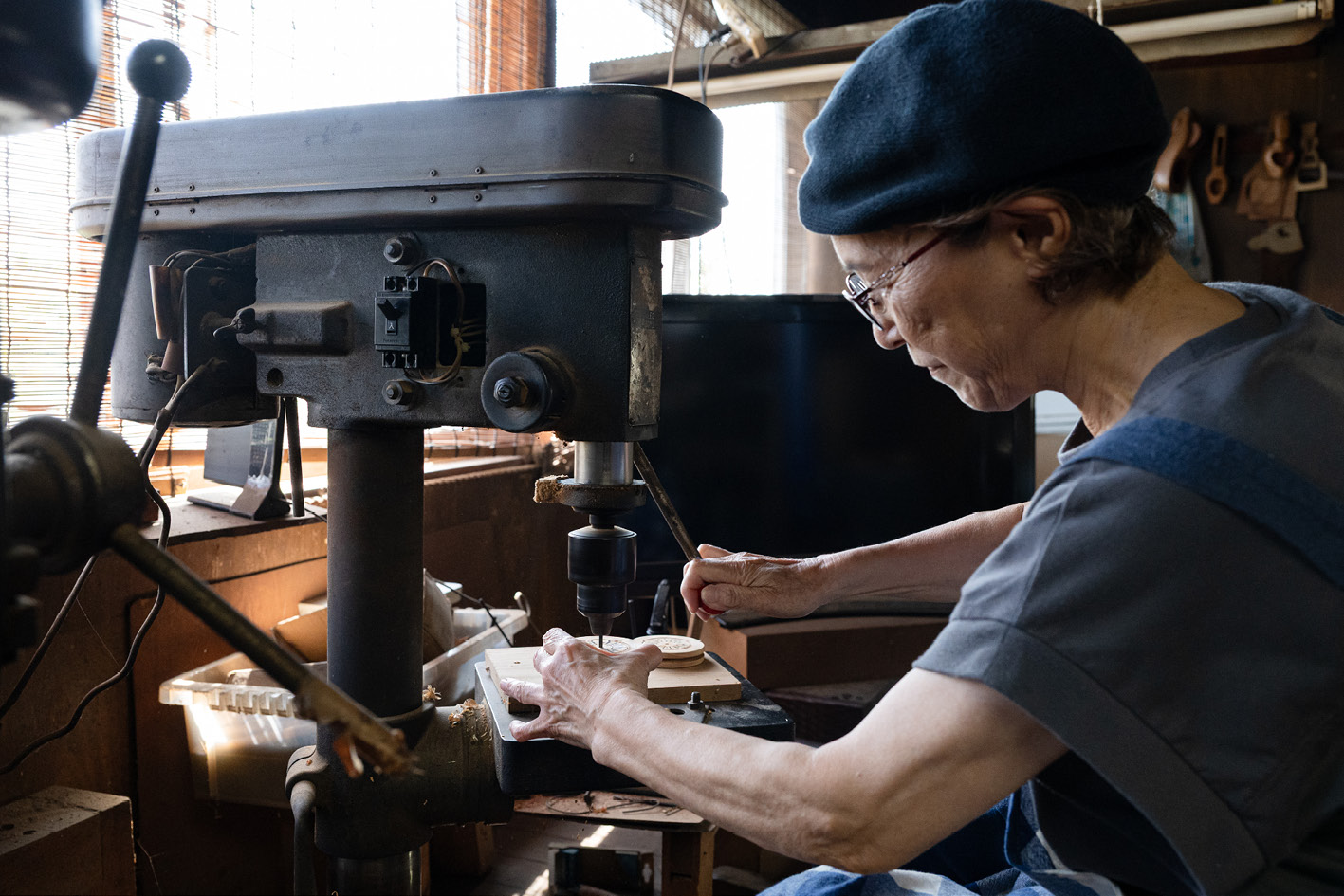
“We started using machines around 1965, when I joined the trade. Before that, everything was done by hand. My father told me that rough cutting and planing were backbreaking work.”
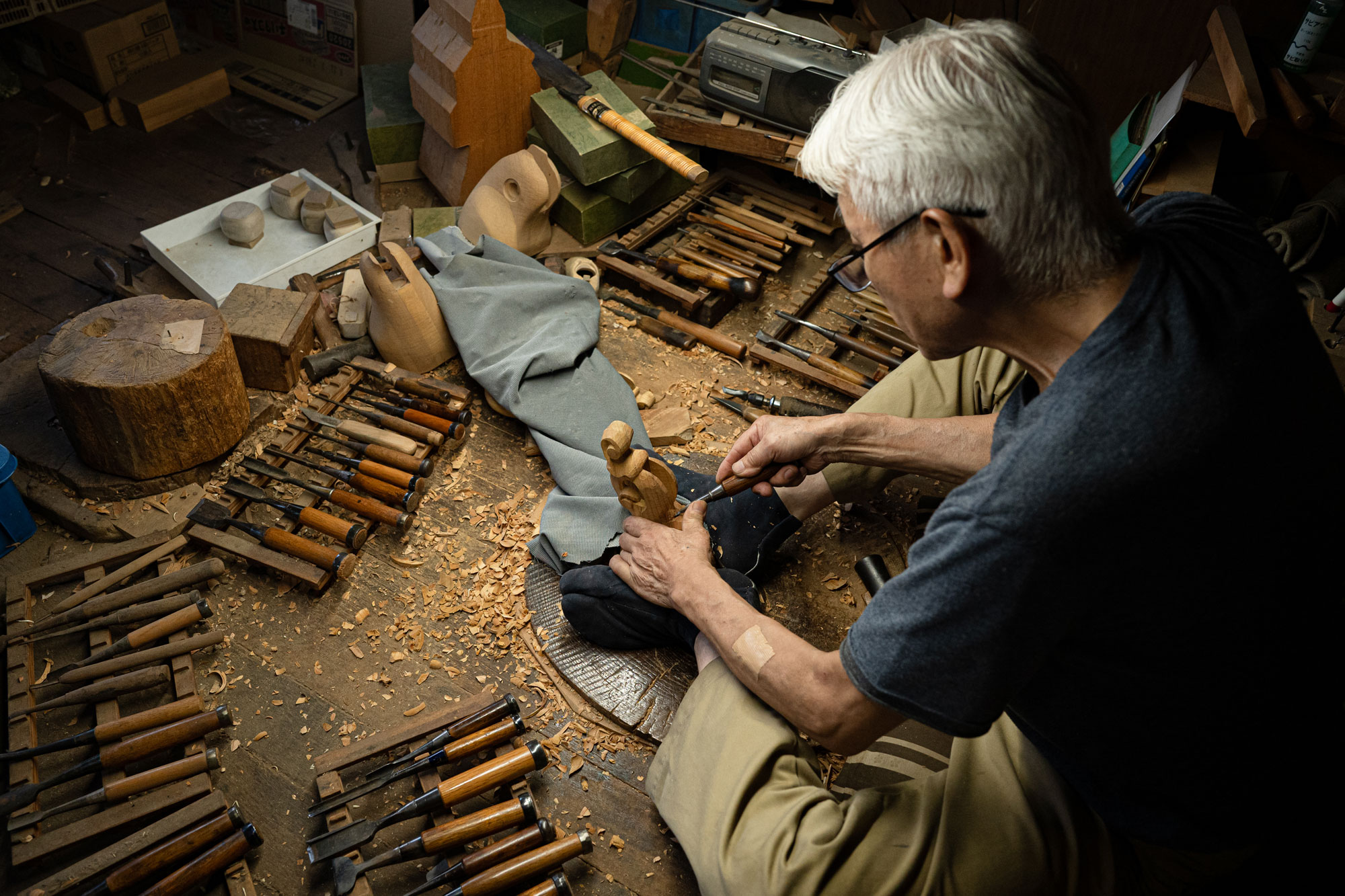
After rough shaping comes the hand-carving stage, done in a small room. Seated at a workbench with a zelkova log embedded as a base, Tamaki deftly holds the wood steady with his feet and carves with chisels. He recalls how hard it was to get used to the wide-legged posture needed for this work. Back pain and sciatica have been long-standing companions.
Around his workspace are nearly fifty chisels, knives, and gouges. Among them are box chisels for squaring the thread-wheel cavity and curved spoon chisels for hollowing the ink reservoir—specialized tools unique to the craft. When carving sumitsubo decorated with motifs such as cranes and turtles, he uses nearly all fifty tools.
“Most of my tools were inherited from my father and uncle, or given to me by fellow craftsmen who closed their workshops.”
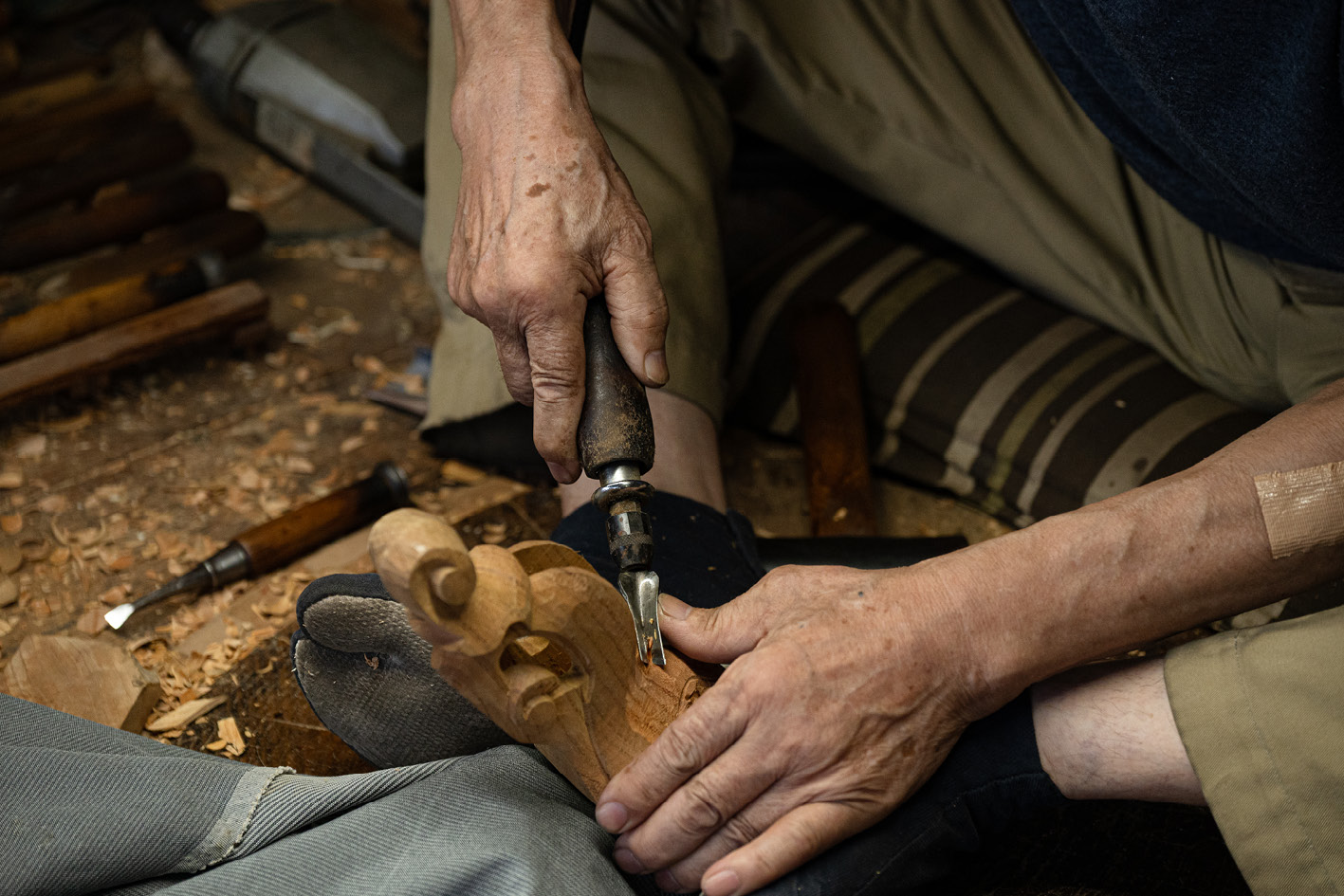
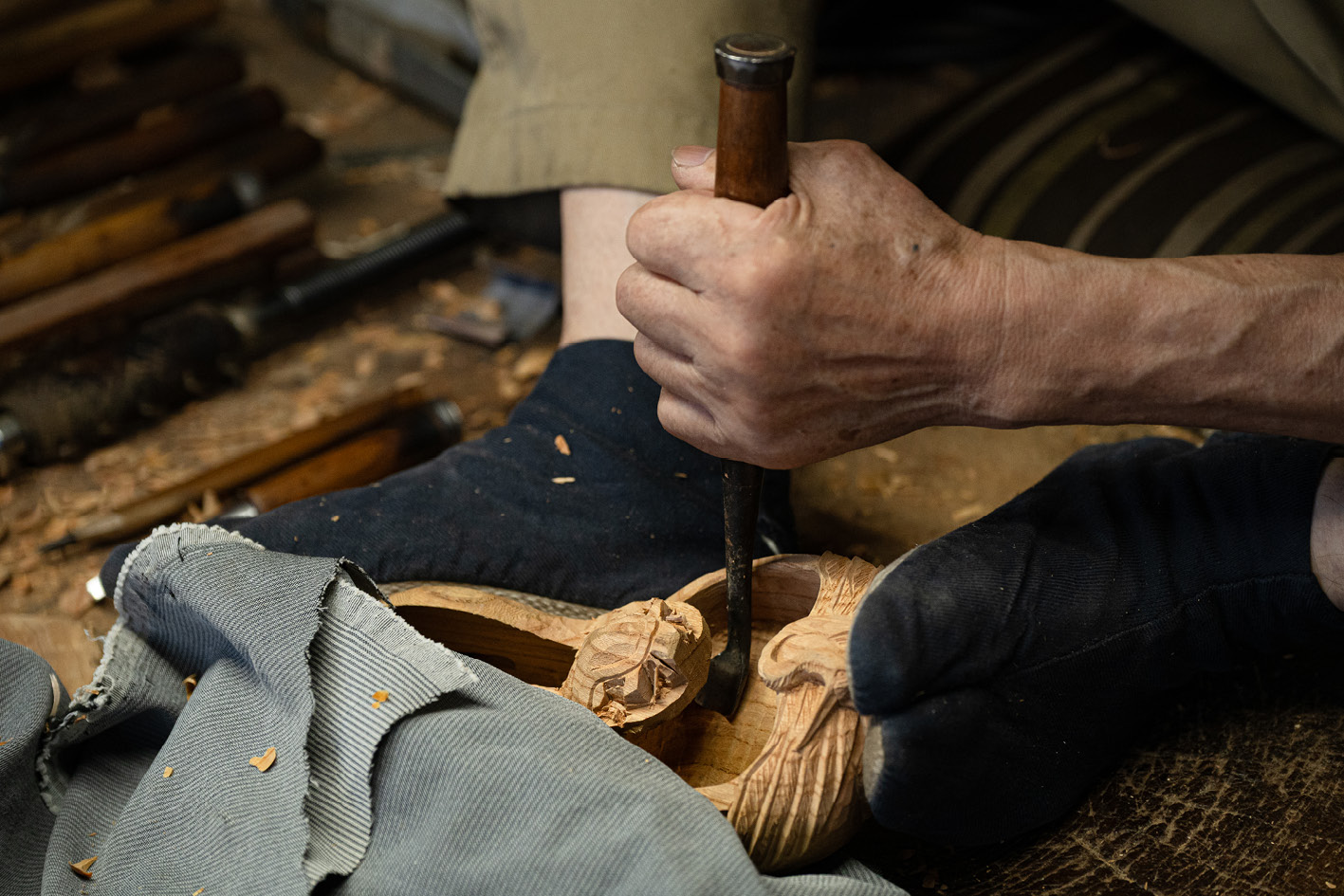
He occasionally uses an electric chisel for certain parts. Traditionalists sometimes criticize this, insisting that everything should be hand-carved, but Yuichi sees it differently.
“I choose whatever tool helps me make the best product. That, to me, is the essence of craftsmanship.”
After the age of mass production had passed, Tamaki began exploring a wider variety of carved designs.
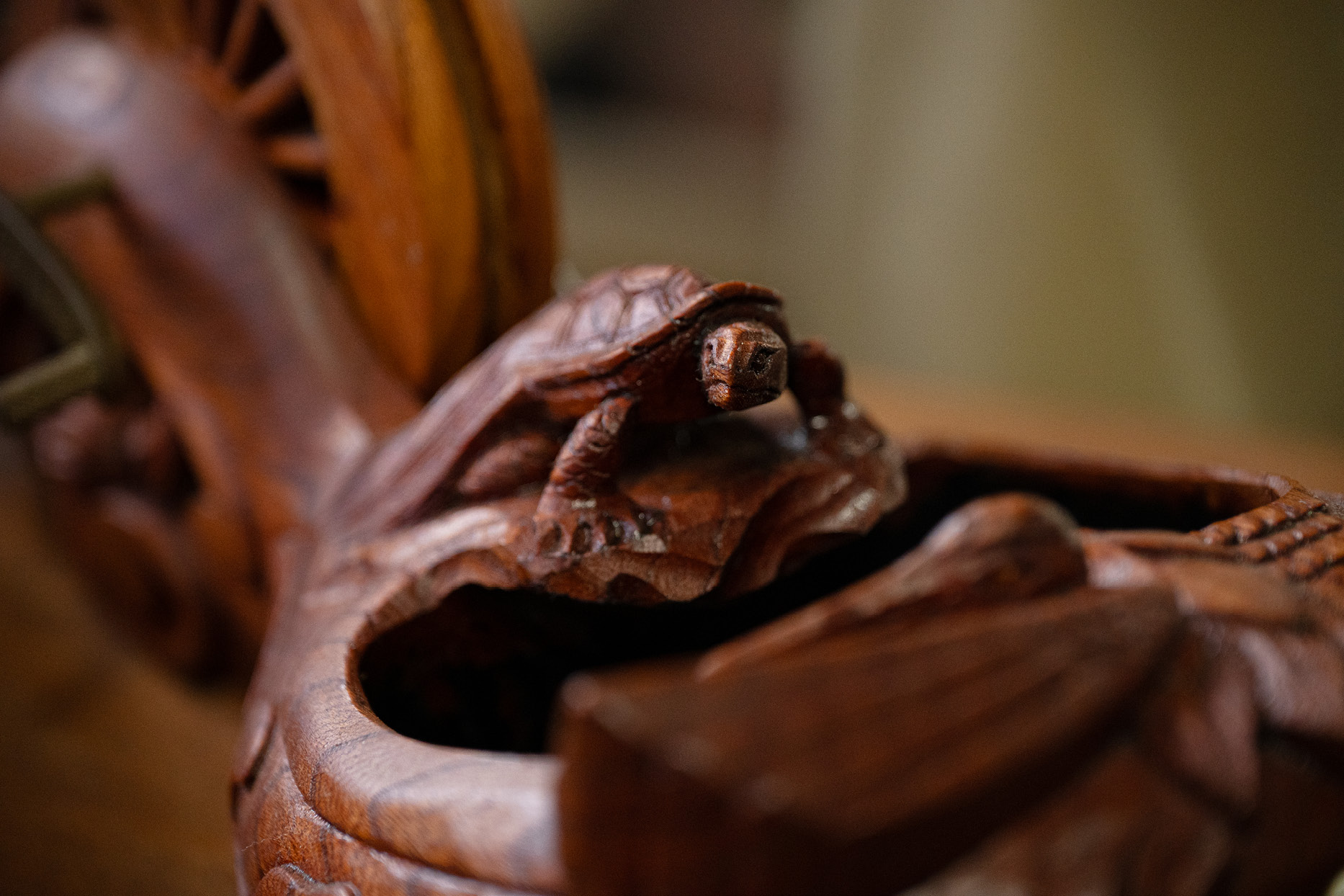
Cranes and turtles—symbols of good fortune—are the classics, but depending on clients’ requests, he has also carved zodiac animals and the Four Divine Beasts: the Azure Dragon, White Tiger, Vermilion Bird, and Black Tortoise.
“When carving living creatures, expression is everything. I want them to feel alive, as if ready to move. I pay special attention to their eyes.”
Tamaki is self-taught in carving. He studied the works of master sumitsubo craftsmen and visited temples and shrines to observe their wood carvings. He also drew inspiration from the celebrated Niigata sculptor Unchō Ishikawa, known for his magnificent temple carvings.
When asked about the future of sumitsubo making, Yuichi replied quietly:
“It won’t continue. I’ve done what I can—exhibiting at craft fairs and sharing my work—but the rest depends on the times. Still, there are many shapes I want to try. Even if no more orders come, I’ll keep making them until the end.”
Though he speaks softly, his passion for creation continues to burn brightly.
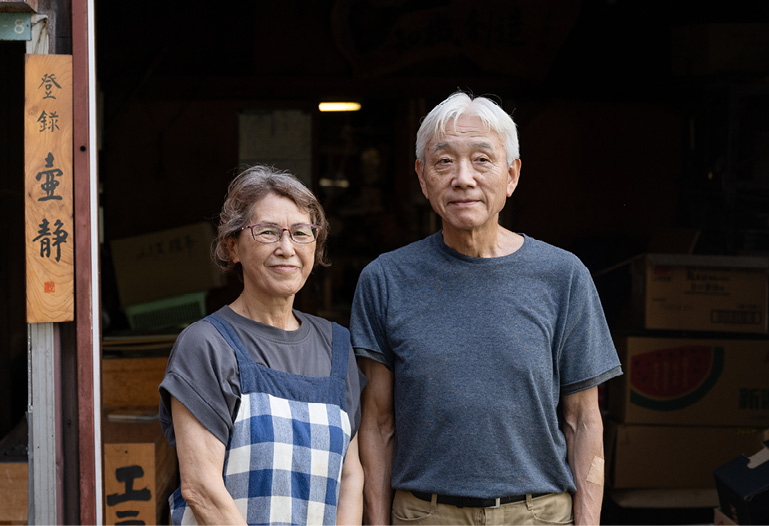
Yuichi Tamaki
Born in 1948 in Sanjo, Niigata Prefecture. After graduating from high school, he entered the profession of sumitsubo making. As the second-generation head of Tsubosei, he took over the family workshop. He is a member of the Sanjo Master Craftsmen Association and also served for many years as chair of the Sanjo Craft Fair Executive Committee.
